

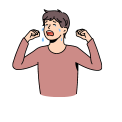
Challenging behaviour, can be described as a behaviour that occurs frequently, and can affect the physical safety of the person, or those around them. This may have a big impact on someone being able to access school, or social activities.
There is a much greater focus now on the challenges to those supporting a young person, so that we view behaviour as an indication that something isn’t working, and that someone may be having difficulty expressing their thoughts, feelings and wishes. A young person displaying these types of behaviours needs support, and help, to identify what’s going on from their perspective.
Different types of behaviour might include self-injurious (such as biting, head banging and hair pulling), being aggressive (hitting, spitting, kicking or throwing things), stereotyped (such as repetitive speech or movement, rocking) or non-person directed (withdrawal, damage to property or hyperactivity).
What Might Help?:
- Communication: Make sure the person feels valued, and listened to. If they struggle with communication, it’s important to find a way they can let you know what they feel, what they need, and what they want.
- Triggers: Look for, and try to identify triggers that may be provoking, or maintaining behaviours. This will help to intervene before a situation might escalate.
- Be realistic and consistent: Make sure your expectations of a person are achievable, and offer support, and lots of praise for behaviours that are positive.
- Seek professional help: If things are increasingly difficult, and you need more support to understand, and manage a behaviour that is challenging, you can seek advice through the GP. If they are receiving support from other agencies (such as a health visitor, social worker or other professional) ask them for advice, and if a referral is needed to a specialist team in your area.
Helpful Clips and Stories:
Top Apps:
- Coming Soon
