

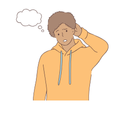
It’s really common for people of all ages to feel shy in social situations. Someone with social anxiety experiences more than just shyness; they experience a huge fear of embarrassment, in everyday situations. People with social anxiety often worry about what others are thinking about them, avoid certain situations, such as parties, and paying for things in shops, talking in front of others at school, and find it hard to be stand up to other people.
If you have social anxiety, you may find yourself spending a lot time worrying before, during, and after a social situation. You may also find you pay lots of attention to yourself in social situations, in particular noticing physical feelings of anxiety you might experience (such as shaking or feeling hot) and a fear that others will notice.
What Might Help?
- Talk to someone: Although this might be difficult at first, talking with a good friend, or a family member you can trust, can really help- don’t bottle it up!
- Understanding how social anxiety works: Learn about frequent thoughts, feelings and behaviours you have when you are feeling anxious in social situations.
- Tune into your thoughts: Spotting unhelpful thoughts can help to challenge anxieties. Asking yourself questions such as “Am I mind reading?” (Thinking you know what others are thinking) ,or, “Am I predicting bad things will happen in this situation?”
- Facing situations: You may want to try gradually facing situations that you tend to avoid, as this can help to reduce the fear. Beginning with situations that cause the least anxiety may be a good starting point.
- Seeking professional help: If social anxiety is having a big impact on your day to day life, you may benefit from talking with your GP about talking therapies.
Useful Clips and Stories:
Top Apps:
Extra Info:
- The NHS provides some useful information on social anxiety
- The Royal College of Psychiatry provide details on shyness and social anxiety
